Business Name: BeeHive Homes of Lamesa TX
Address: 101 N 27th St, Lamesa, TX 79331
Phone: (806) 452-5883
BeeHive Homes of Lamesa
Beehive Homes of Lamesa TX assisted living care is ideal for those who value their independence but require help with some of the activities of daily living. Residents enjoy 24-hour support, private bedrooms with baths, medication monitoring, home-cooked meals, housekeeping and laundry services, social activities and outings, and daily physical and mental exercise opportunities. Beehive Homes memory care services accommodates the growing number of seniors affected by memory loss and dementia. Beehive Homes offers respite (short-term) care for your loved one should the need arise. Whether help is needed after a surgery or illness, for vacation coverage, or just a break from the routine, respite care provides you peace of mind for any length of stay.
101 N 27th St, Lamesa, TX 79331
Business Hours
Monday thru Sunday: 9:00am to 5:00pm
Facebook: https://www.facebook.com/BeeHiveHomesLamesa
YouTube: https://www.youtube.com/@WelcomeHomeBeeHiveHomes
Families typically do not begin looking for respite care when life is calm. They begin when a caregiver's health dips, when a surgery is arranged, when fatigue ends up being apparent, or when a quiet worry sets in that one bad night could become a crisis. At that point, the concept of moving a parent, partner, or grandparent into an unusual place, even for a brief stay, can feel overwhelming.
That is one factor little assisted living homes have actually become such a vital part of the senior care landscape. For quick, corrective stays, they frequently feel more manageable and less difficult than large centers, both for the older adult and for the household caregiver. The differences show up in subtle methods: who notifications if Mom avoids dessert, who has time to understand Dad's sense of humor, who captures a minor change in strolling or memory before it spirals.
This is not theory. It shows what many families experience when they attempt respite care in different settings. I will focus here on what tends to make brief remain in small assisted living homes much easier, while still being honest about constraints and trade offs.
What "Respite Care" Really Means in Day to Day Life
Respite care is just short term care for an older adult so that the normal caretaker can rest, travel, recover from an illness, attend to work, or address other obligations. The stay might last a few days, a number of weeks, or in some cases a month or two. The goal is not to "position" somebody completely, however to offer a safe, supportive environment so that caregiving can be sustainable.
Families utilize respite care in a few typical situations:
After a hospitalization or rehabilitation remain when 24 hour guidance is required for a while, however the family caretaker can not provide it alone. When a caretaker has surgery or medical treatment and will not have the ability to provide hands on aid for several weeks. During planned breaks when burnout is ending up being a threat and everybody needs area to reset. To test whether an assisted living or memory care setting may work long term, without dedicating to a permanent move.Respite can occur in the home with employed caretakers, in adult day programs, or in residential settings. This post focuses on brief remain in small assisted living homes, including those that use specialized memory care for citizens living with dementia.

What Makes a "Small" Assisted Living Home Different
The term "small" is a bit imprecise. In practice, it typically suggests one of 2 models.
First, there are residential care homes that serve between 4 and 12 citizens, often in a single family home adapted to satisfy safety and ease of access standards. Second, there are boutique assisted living neighborhoods that cap their census someplace between 15 and 40 locals, often arranged into smaller sized households or wings.
In these settings:
- Staff normally understand every resident by name and by history. The physical environment feels closer to a household home than to a medical building. Meals are often cooked in a main kitchen that homeowners can see and smell, not shipped from a large industrial kitchen. Leadership, consisting of the owner or administrator, is typically on site and accessible to families.
None of that instantly guarantees quality. A small setting can be inadequately run, simply as a large neighborhood can be outstanding. Yet the scale of a little assisted living home naturally produces certain conditions that matter throughout respite care, when time is short and adjustment needs to take place gently.
Why Short Remains Can Feel Less Overwhelming in a Smaller Sized Setting
Families frequently describe the first few days of respite as the hardest. The older grownup needs to get used to brand-new routines, deals with, and surroundings, and the caregiver must learn to trust strangers with someone they like. Because vulnerable window, small distinctions in environment and staffing patterns can grow out of control into significant distinctions in stress.
Familiarity establishes faster
In a 100 bed assisted living community, a brand-new respite resident is one among many. Even with good intents, staff might require a week or more to learn that Mr. Johnson likes coffee before conversation, or that Mrs. Patel strolls much better if provided a couple of extra seconds to stand completely upright before moving. A small setting compresses that learning curve.

With 6 to 20 citizens, every new arrival is obvious. Personnel see the whole individual, not simply a space number or a medical diagnosis. The medication assistant, the caretaker who assists with bathing, and the person preparing meals are frequently the exact elderly care same small group of individuals engaging with your loved one throughout the day. Patterns, preferences, and peculiarities become familiar in a matter of days, not weeks.
For short-term respite, that matters. You do not have the luxury of a monthlong modification period. The faster your parent or spouse feels acknowledged and comprehended, the lower the probability of agitation, rejection of care, or withdrawal.
Routines flex more easily around the person
Large senior care neighborhoods need standardization to work. Set meal times, checklists for care, central activity schedules, and medication rounds help them handle lots or numerous residents securely. The disadvantage is that a short-term resident needs to suit the existing rhythm rapidly, or risk missing out on out.
Small assisted living homes typically have regimens too, but they are typically more versatile. Breakfast may be "served between 7 and 9," with genuine tolerance for late risers. Bathing can be moved from early morning to afternoon if that is how your mother has actually always done it. Staff typically have the autonomy to remain at the table if a resident is telling a story, rather of rushing off to the next floor.
For respite care, this versatility can alleviate the transition. A caretaker might state, "He naps after lunch and gets confused if you wake him," and the small home can in fact honor that routine without disrupting an entire structure's schedule.
Less sensory overload, more calm
Short stays are notorious for setting off confusion, particularly in individuals who currently have some cognitive decrease. Loud overhead announcements, long passages, crowded dining spaces, and constant traffic in the corridors can amplify disorientation. Even for older adults without dementia, these stimuli are exhausting.
Most little assisted living homes just do not have the space or the population to create that level of sound and visual clutter. Passages are shorter. Common areas are shared by fewer people. The dining room may have a couple of tables, not twenty. Personnel conversations, televisions, and kitchen noises exist, however at a workable scale.
For somebody dealing with early or mid stage dementia, or someone prone to stress and anxiety, a smaller setting can feel less like "being institutionalized" and more like staying with extended family. That mental distinction alone can make a week of respite seem like a break rather than a punishment.
The Unique Benefit for Memory Care Respite
Memory care adds another layer of intricacy to respite preparation. A change in environment can worsen confusion, spark behavioral symptoms, or reverse weeks of stability that a household has striven to establish. The stakes feel high.
Specialized memory care systems in big communities have clear strengths: secure designs, personnel trained in dementia, and structured shows. Yet for short-term stays, a little home that offers memory care typically lines up more closely with how people with dementia experience the world.
Fewer faces to track
An older adult with dementia might just be able to recognize a little number of people dependably: close family, maybe a neighbor, maybe a preferred nurse. When they enter a bustling memory care unit with rotating staff, numerous shifts, therapists, activity leaders, and housekeeping teams, the variety of faces can overwhelm their staying capability to form brand-new associations.
In a little memory care home, the number of everyday contacts is modest. The very same 3 or 4 personnel may assist with dressing, meals, and night regimens. Locals start to anchor themselves to those consistent assistants, even throughout a short respite stay. It is simpler to remember "the lady with the blue glasses who brings my coffee" than to arrange through a dozen different caregivers.
Environment that matches remaining skills
Dementia gradually narrows an individual's ability to browse intricate spaces, manage numerous stimuli, and work with unknown items. A smaller home allows staff to simplify the environment: less doors, clearer walking paths, and typical items kept in predictable areas. Daily hints like the smell of cooking, the noise of a cleaning machine, or the sight of someone setting a table assistance a sense of regular life.
Families often tell me that their loved one with dementia does better in these human scale areas than in larger memory care wings, specifically for short stays. They might still have minutes of confusion about "whose house this is," however they can find the bathroom, recognize where the bedroom is, and recognize the dining table where they consumed breakfast. That modest level of orientation is a safeguard against distress.
Staff bandwidth for behavioral nuance
Behavioral signs in dementia hardly ever respond well to rigid protocols. Agitation before bathing may suggest fear of falling, embarassment about requiring assistance, or cold water hitting old joints. A small memory care home, if well staffed, gives caregivers the time to experiment: attempt a different time of day, change the water temperature level, add music, or have a second person offer reassurance.
During respite care, when personnel and resident are brand-new to each other, this trial and error is vital. Large units with tight staffing ratios might not have the capacity for such customized troubleshooting for a short-term guest. In a little home, the whole team frequently hears rapidly if "Mr. Lee does much better with his shower after breakfast," and they change accordingly.
How Short Remains Support Caregivers Without Guilt
When caretakers contact us to inquire about respite, many noise as if they are confessing a failure. They state things like, "I assured my mother I would never put her in a home," or "He took care of me for forty years, I should be able to do this." Brief remain in a small assisted living environment can soften that regret in extremely concrete ways.
First, the language of the plan can be more truthful. You are not dedicating to permanent positioning. You are organizing a stay, similar to a convalescent visit with relatives, in a home that happens to be certified and staffed for elderly care. Locals often bring their own quilts, photos, and preferred chair cushions. That physical continuity helps both the older adult and the caretaker feel that this is an extension of home life, not abandonment.
Second, little homes frequently motivate caretakers to remain involved. You may join your parent for meals, call throughout the day, or take them out for a drive if their condition permits. In bigger centers, these touches are possible, however they can feel more like checking out an institution, mainly on the center's schedule. When you can walk into a little living room, sit at the very same table each time, and chat with the same staff, your function shifts from "visitor in a facility" to "relative partnering with another family."
Third, caretakers can experience a different version of their loved one. After some rest, older grownups in some cases show improved state of mind, much better hunger, or more engagement in conversation when somebody else assists with the physically requiring tasks. A little respite setting, with personnel who have the time to motivate, hint, and adjust, can draw out capacities that were concealed by caretaker fatigue at home. Seeing that can replace guilt with relief.
Trade Offs: When a Small Home May Not Be the very best Respite Option
No care setting is best. While lots of older grownups flourish throughout short remain in little assisted living homes, there are scenarios where a bigger assisted living or memory care community, or even a proficient nursing center, might be more appropriate.
The primary trade offs fall under 4 broad locations: medical intricacy, specialized rehabilitation requirements, behavioral dangers, and availability.
Small homes often do not have actually certified nurses on site all the time. If your loved one needs frequent injections, complex wound care, ventilator management, or close monitoring after a major medical occasion, a skilled nursing facility or medical facility based transitional unit may be safer.
If the primary objective of respite is intensive physical, occupational, or speech treatment, a larger facility with an in home rehabilitation department may offer more everyday treatment. Some little homes collaborate with home health agencies, however the volume of rehabilitative services is hardly ever as high as in a devoted rehab unit.
In cases of extreme behavioral signs connected to dementia or mental health conditions, such as regular hostility, exit looking for, or unpredictably hazardous actions, numerous small homes are not equipped to handle the threat. They might lack secure outside areas or specialized behavioral teams. Larger memory care systems, especially those connected to health systems, often offer higher levels of security and psychiatric support.
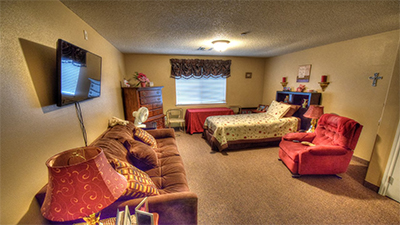
Availability is a useful constraint. In some regions, small assisted living homes are scarce, have long waiting lists, or do not offer respite contracts at all. A larger neighborhood that can dependably accept short-term stays, even if it is not perfect in every respect, may be the only practical choice in a time delicate situation.
Good care preparation acknowledges these trade offs instead of glamorizing any single model.
A Practical Contrast: Small Home vs Large Neighborhood for Respite
Here is a high level comparison that many families find helpful when thinking about respite options.
Environment
Small home: Familiar, quieter, fewer people; typically feels residential. Big neighborhood: More activity and facilities, but more sound and complexity.Personal attention
Small home: High staff familiarity; regimens can be changed more easily. Large neighborhood: Systems are arranged, however care might be less individualized for short term residents.Medical and rehab services
Little home: Suitable for stable conditions and predictable requirements; frequently depends on going to services. Big neighborhood: Usually better access to on site nurses, therapists, and medical providers.Social life and activities
Small home: Intimate group interactions; activities might be basic but meaningful. Big neighborhood: Wider variety of official activities; more peers, however also more possible for overstimulation.Cost structure
Little home: Charges often packaged, with less a la carte billing; prices can differ widely. Large community: More line item charges; might provide promotional respite rates or bundled rehabilitation stays.The best choice depends upon your loved one's health status, personality, and the main goals of the respite period.
Preparing for Respite in a Little Assisted Living Home
Preparation typically identifies whether a brief stay feels peaceful or chaotic. Households often assume that, due to the fact that it is short-term, they can improvise. That often increases stress. Thoughtful preparation, particularly with a smaller sized home that is willing to partner carefully, sets a better tone.
Here is a focused list that reflects what tends to matter most throughout admission:
Medical and care profile
Supply approximately date medication lists, recent health center or clinic notes, allergy info, and a clear description of movement, continence, and dietary requirements. Consist of patterns such as "requirements guidance when rising during the night" or "drinks badly unless triggered."Behavioral and psychological cues
Explain what comforted your loved one during past episodes of confusion or upset. Share triggers, such as certain subjects, sounds, or times of day. In little homes, this information spreads out rapidly amongst staff and prevents missteps.Daily routines and history
Overview sleep habits, preferred foods, common waking time, reading or television choices, spiritual practices, and household visit patterns. Include a short life story: previous occupation, pastimes, important family members. Little settings typically utilize this to connect personally from day one.Personal items
Pack familiar clothing, slippers, images, a bedspread or pillow, simple design, assistive devices, and identified toiletries. Avoid clutter, however do not strip away identity. The goal is to recreate a sense of "my space" within the brand-new room.Communication plan
Clarify who the home needs to call for updates, how frequently you would like check ins throughout the first few days, and whether personnel might call you if your loved one requests for you. Choose when you will visit or call, and share that prepare with your member of the family to reduce anxiety.When both the household and the little assisted living home technique respite as a partnership instead of a transaction, the stay tends to go more smoothly.
Recognizing a Good Small Home for Respite Care
Not every residence that identifies itself "assisted living" or "memory care" will be suitable for short stays. A walk through visit, even a short one, typically exposes more than the sales brochure or site. Take notice of:
Staff presence. Do caretakers seem hurried, or do they have time to speak kindly with homeowners in the hallways and common areas? Do they deal with homeowners by name, make eye contact, and react immediately to calls?
Resident state of mind. You do not require everybody to appear cheerful at every moment, however you need to see indications of engagement: people talking, reading, viewing tv together, or resting peacefully. Regular shouting, noticeable disappointment, or citizens overlooked for long stretches are warning signs.
Cleanliness and safety. Look beyond shiny entranceways. Are bathrooms clean and equipped? Are walkways clear of tripping dangers? Are grab bars strong and within simple reach? Little homes can feel comfortable, but they must likewise fulfill standard security standards.
Leadership attitude. When you inquire about respite care, does the administrator or owner take some time to explore your scenario, or do you feel rushed towards signing documentation? The method leadership treats you frequently mirrors how personnel are dealt with, which culture drips down to residents.
Transparency. A credible small assisted living home must have the ability to explain its staffing ratios, training practices, how it handles falls or medical modifications, and what happens if your loved one's needs increase during the stay. Incredibly elusive responses suggest much deeper problems.
If the home also serves long term locals, ask a few of them, or their going to relative, how they feel about the care. Their casual remarks often carry more weight than refined marketing language.
How Respite in a Small Home Can Forming Long Term Decisions
Sometimes respite is a one time occasion: the caregiver recuperates from surgical treatment, the crisis fixes, and life returns to its previous balance. Regularly, the respite stay becomes a turning point in how a household considers elderly care.
One pattern is that the older adult resists going at first, then adapts, and ultimately expresses contentment. They delight in the business at meals, the predictability of support, and the absence of tension that can sneak into tired households. The caretaker, seeing this, begins to consider whether a progressive shift to assisted living might preserve dignity instead of reduce it.
Another pattern is that respite exposes spaces. Maybe the little home can not reliably handle complicated medical requirements, or your loved one feels restricted. That information is still valuable. It helps you eliminate specific choices before making a long-term move, and it clarifies what mix of home care, adult day services, or bigger community based senior care might fit better.
In both cases, a well supported brief remain in a small assisted living or memory care home offers information points drawn from lived experience, not simply from trips and promises. Those concrete experiences assist families make choices grounded in reality rather of fear.
Respite care is fundamentally about sustainability. It acknowledges that even the most dedicated caretaker has limits, that rest is not a high-end, which protecting relationships in some cases needs outside aid. Small assisted living homes, particularly those designed with memory care in mind, can transform respite from a last resort into a thoughtful part of a long term care strategy. By matching the scale of the environment to the people who live and work there, they decrease the stress of brief stays and offer a gentler course through some of the hardest chapters of aging.
BeeHive Homes of Lamesa TX provides assisted living care
BeeHive Homes of Lamesa TX provides memory care services
BeeHive Homes of Lamesa TX provides respite care services
BeeHive Homes of Lamesa TX supports assistance with bathing and grooming
BeeHive Homes of Lamesa TX offers private bedrooms with private bathrooms
BeeHive Homes of Lamesa TX provides medication monitoring and documentation
BeeHive Homes of Lamesa TX serves dietitian-approved meals
BeeHive Homes of Lamesa TX provides housekeeping services
BeeHive Homes of Lamesa TX provides laundry services
BeeHive Homes of Lamesa TX offers community dining and social engagement activities
BeeHive Homes of Lamesa TX features life enrichment activities
BeeHive Homes of Lamesa TX supports personal care assistance during meals and daily routines
BeeHive Homes of Lamesa TX promotes frequent physical and mental exercise opportunities
BeeHive Homes of Lamesa TX provides a home-like residential environment
BeeHive Homes of Lamesa TX creates customized care plans as residents’ needs change
BeeHive Homes of Lamesa TX assesses individual resident care needs
BeeHive Homes of Lamesa TX accepts private pay and long-term care insurance
BeeHive Homes of Lamesa TX assists qualified veterans with Aid and Attendance benefits
BeeHive Homes of Lamesa TX encourages meaningful resident-to-staff relationships
BeeHive Homes of Lamesa TX delivers compassionate, attentive senior care focused on dignity and comfort
BeeHive Homes of Lamesa TX has a phone number of (806) 452-5883
BeeHive Homes of Lamesa TX has an address of 101 N 27th St, Lamesa, TX 79331
BeeHive Homes of Lamesa TX has a website https://beehivehomes.com/locations/lamesa/
BeeHive Homes of Lamesa TX has Google Maps listing https://maps.app.goo.gl/ta6AThYBMuuujtqr7
BeeHive Homes of Lamesa TX has Facebook page https://www.facebook.com/BeeHiveHomesLamesa
BeeHive Homes of Lamesa has an YouTube page https://www.youtube.com/@WelcomeHomeBeeHiveHomes
BeeHive Homes of Lamesa TX won Top Assisted Living Homes 2025
BeeHive Homes of Lamesa TX earned Best Customer Service Award 2024
BeeHive Homes of Lamesa TX placed 1st for Senior Living Communities 2025
People Also Ask about BeeHive Homes of Lamesa TX
What is BeeHive Homes of Lamesa Living monthly room rate?
The rate depends on the level of care that is needed. We do an initial evaluation for each potential resident to determine the level of care needed. The monthly rate is based on this evaluation. There are no hidden costs or fees
Can residents stay in BeeHive Homes until the end of their life?
Usually yes. There are exceptions, such as when there are safety issues with the resident, or they need 24 hour skilled nursing services
Do we have a nurse on staff?
No, but each BeeHive Home has a consulting Nurse available 24 – 7. if nursing services are needed, a doctor can order home health to come into the home
What are BeeHive Homes’ visiting hours?
Visiting hours are adjusted to accommodate the families and the resident’s needs… just not too early or too late
Do we have couple’s rooms available?
Yes, each home has rooms designed to accommodate couples. Please ask about the availability of these rooms
Where is BeeHive Homes of Lamesa TX located?
BeeHive Homes of Lamesa is conveniently located at 101 N 27th St, Lamesa, TX 79331. You can easily find directions on Google Maps or call at (806) 452-5883 Monday through Sunday 9:00am to 5:00pm
How can I contact BeeHive Homes of Lamesa TX?
You can contact BeeHive Homes of Lamesa by phone at: (806) 452-5883, visit their website at https://beehivehomes.com/locations/lamesa/, or connect on social media via Facebook or YouTube
Pedroza's Restaurant offers casual dining in a welcoming setting ideal for assisted living, memory care, senior care, elderly care, and respite care visits.